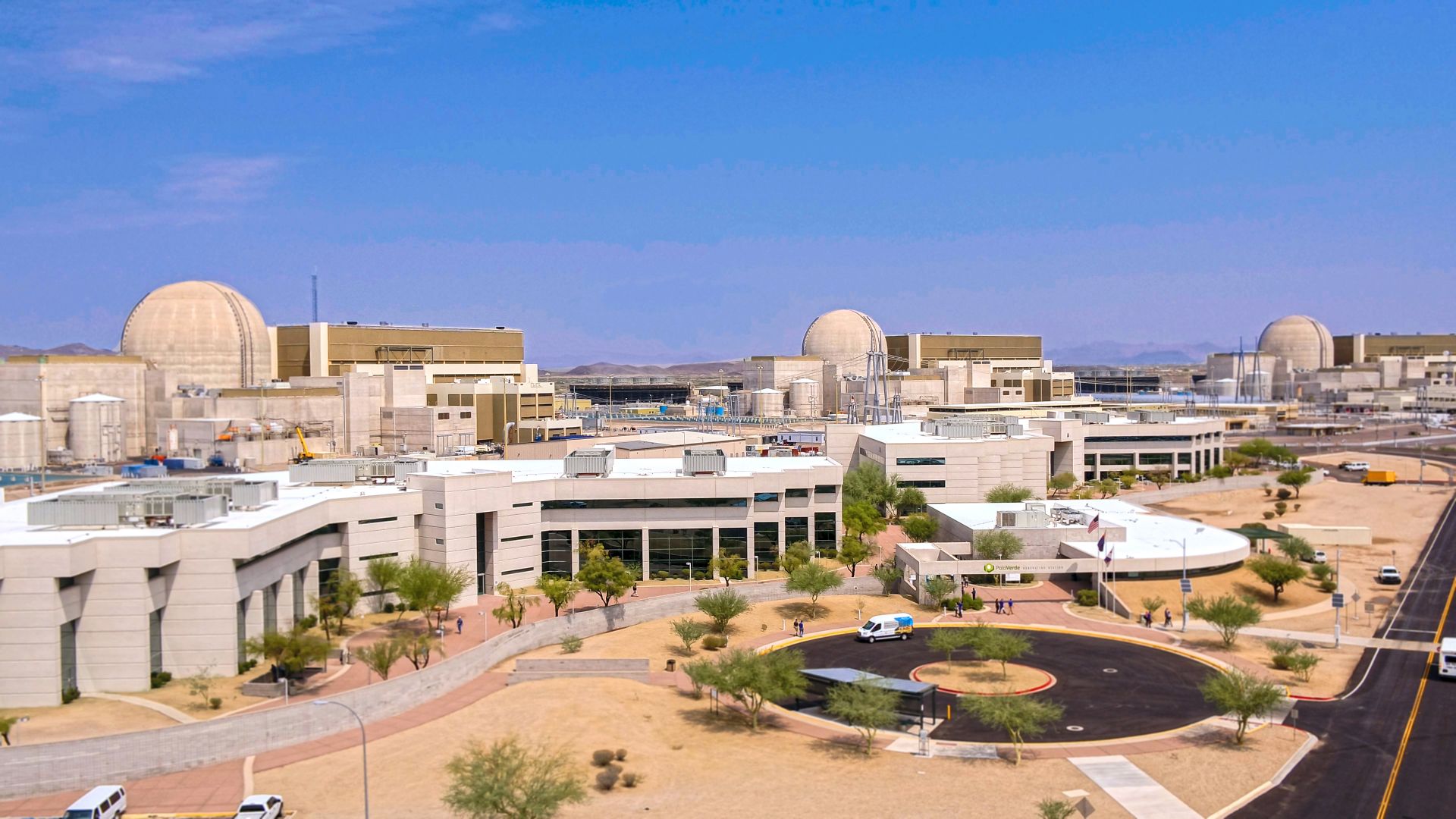
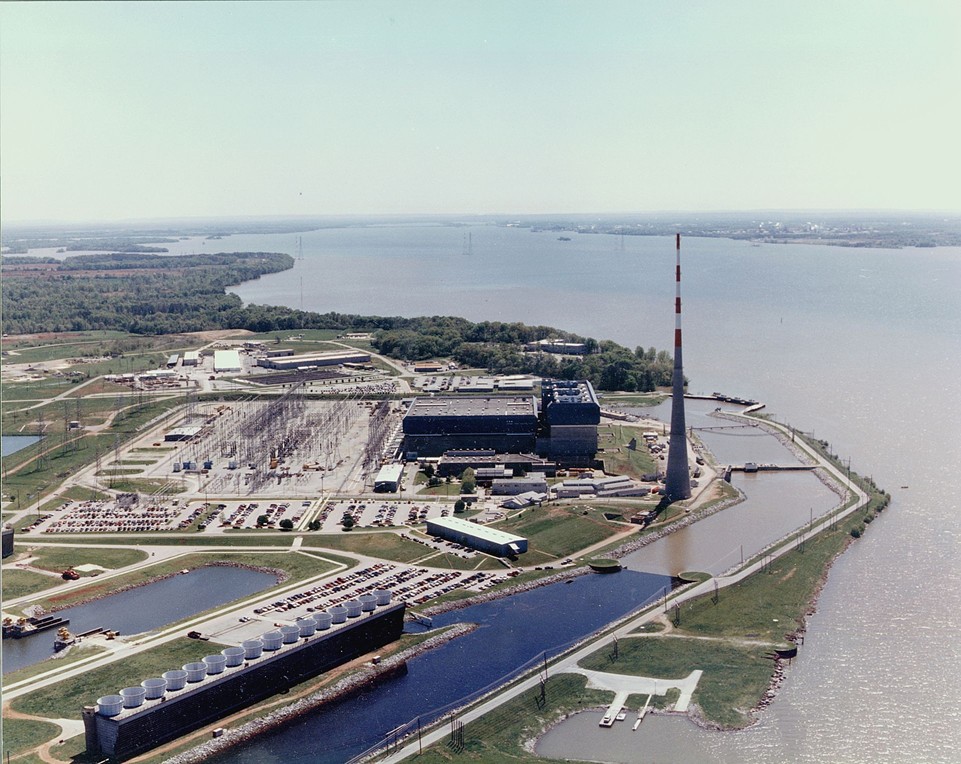
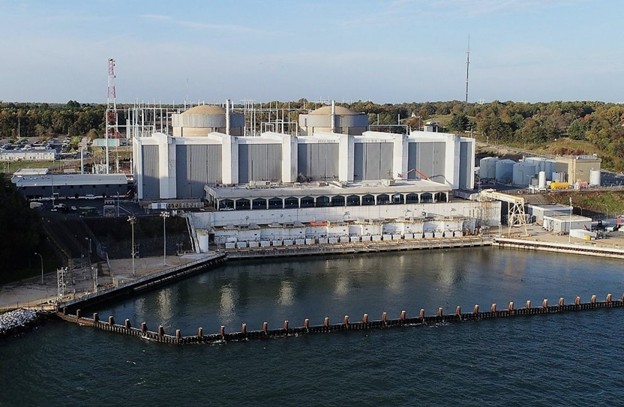
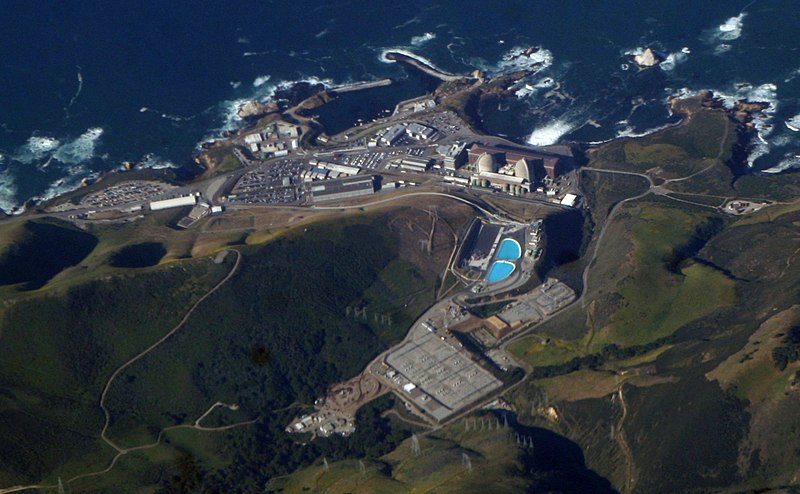
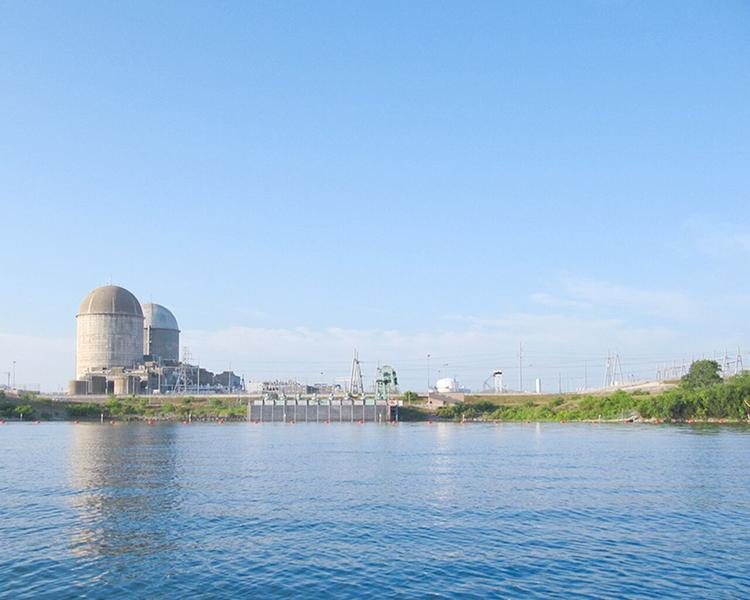
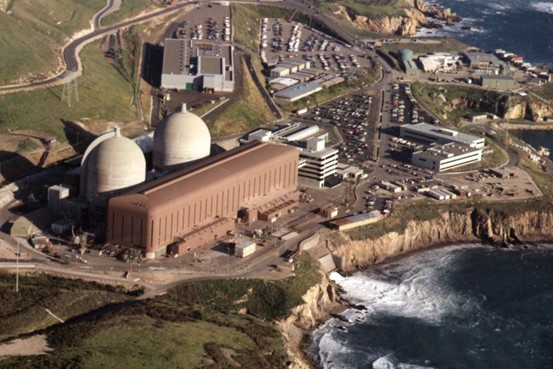
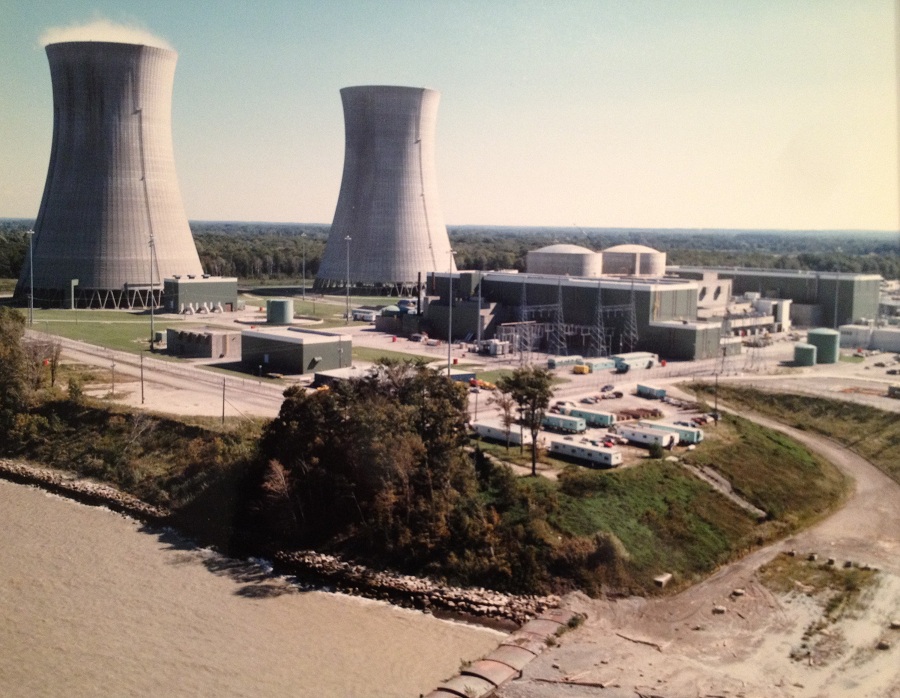
Palo Verde nuclear power plant in Arizona. (Photo: APS)
Arizona Public Service has informed the Nuclear Regulatory Commission of its intention to renew the operating licenses of the Palo Verde nuclear power plant’s three reactors for a second 20-year term, which could extend operations at the facility into the 2060s.
According to the announcement, APS won’t submit the subsequent license renewal application to the NRC until late 2027. The renewal would allow Unit 1 to operate through 2065, Unit 2 through 2066, and Unit 3 through 2067.
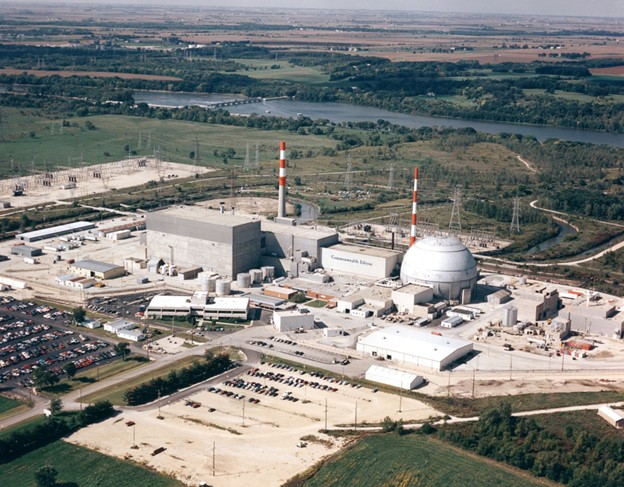
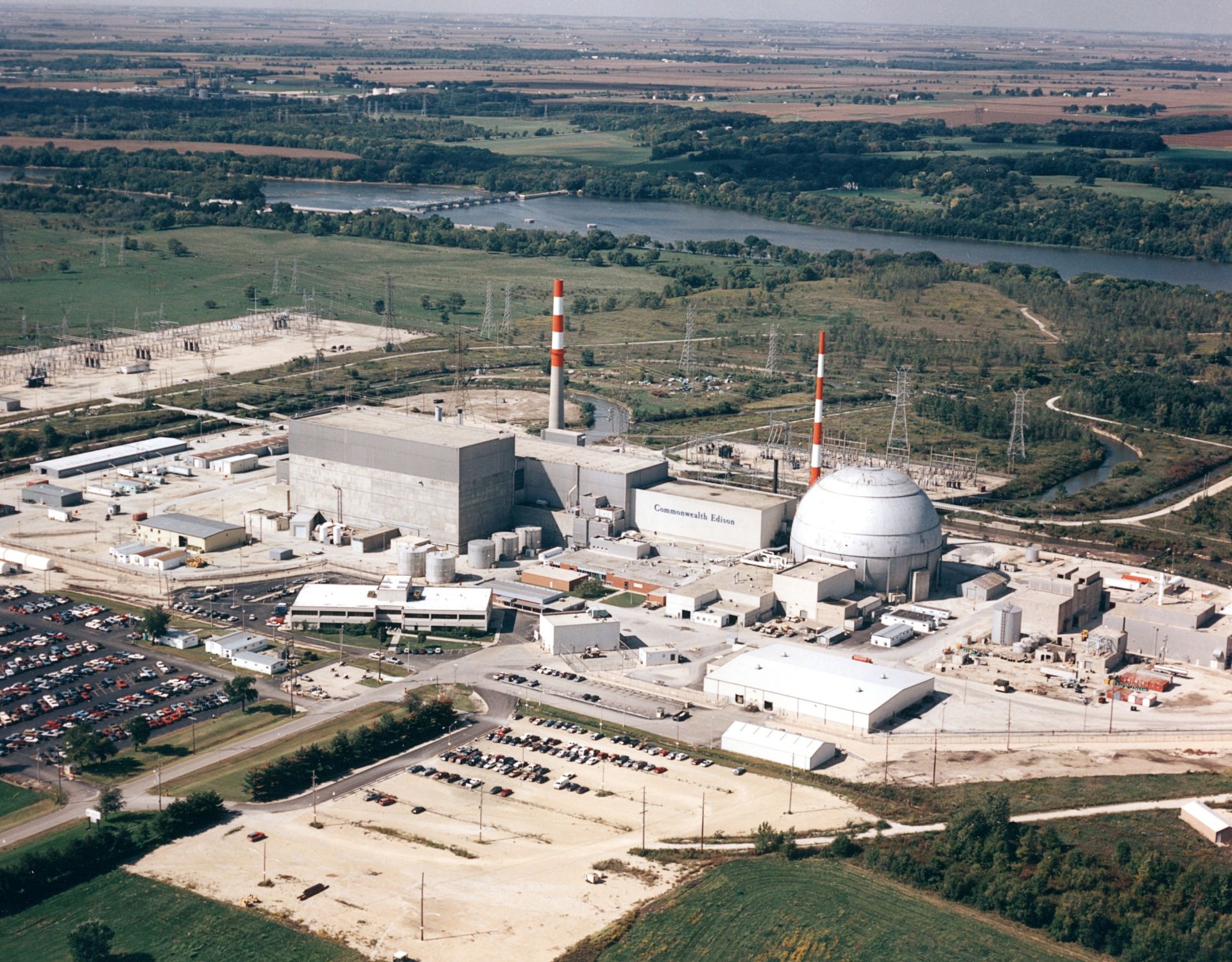
The Dresden nuclear power plant in Grundy County, Illinois. (Photo: Constellation Energy)
Three commercial power reactors across two Illinois nuclear power plants—Constellation’s Clinton and Dresden—have had their licenses renewed for 20 more years by the Nuclear Regulatory Commission.
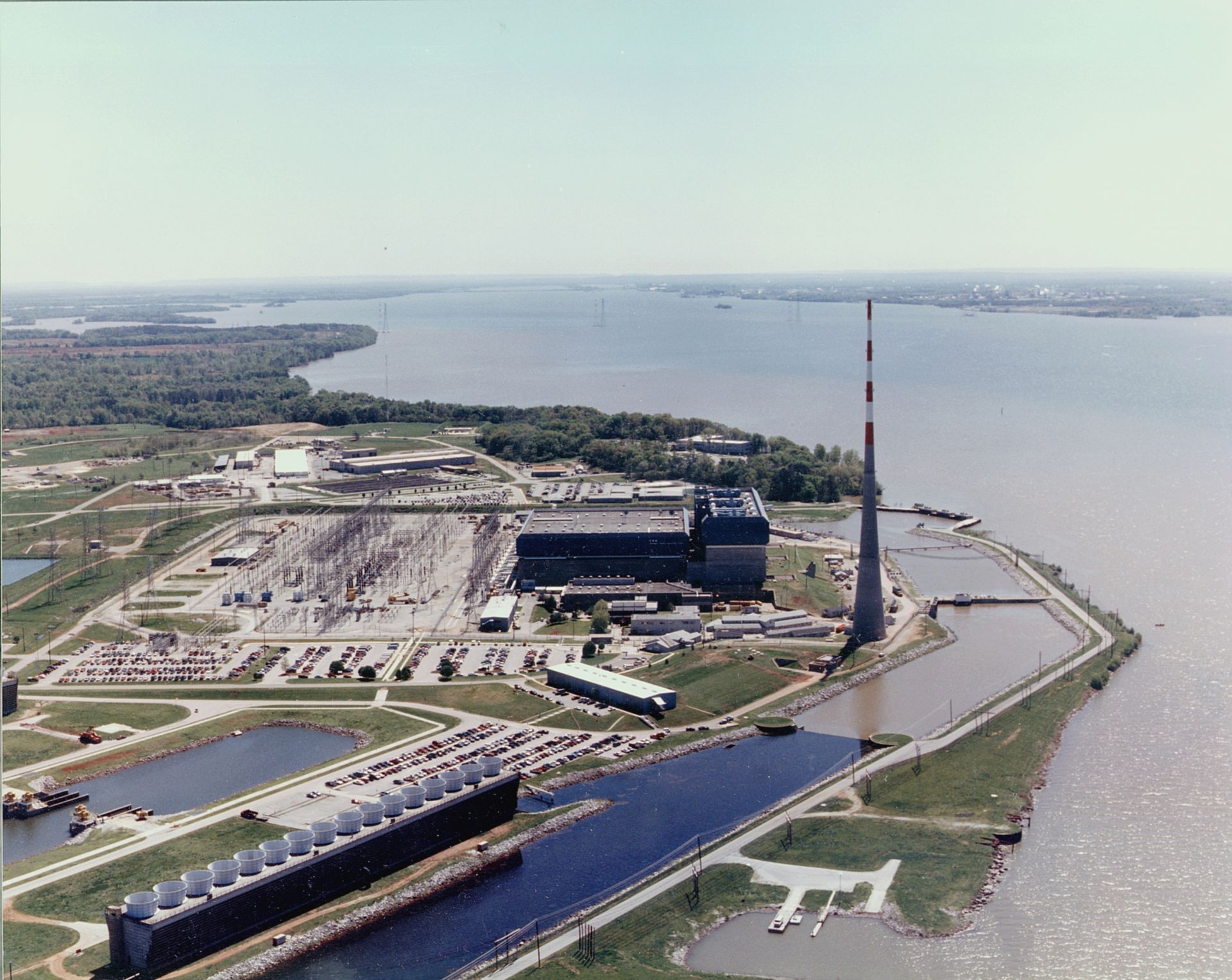
The Browns Ferry nuclear power plant. (Photo: TVA)
The operating licenses for the three boiling water reactors at Browns Ferry nuclear power plant, in Athens, Ala., have each been renewed by the Nuclear Regulatory Commission for an additional 20 years. The reactors, operated by the Tennessee Valley Authority, are now licensed to operate until December 2053 for Unit 1, June 2054 for Unit 2, and July 2056 for Unit 3.
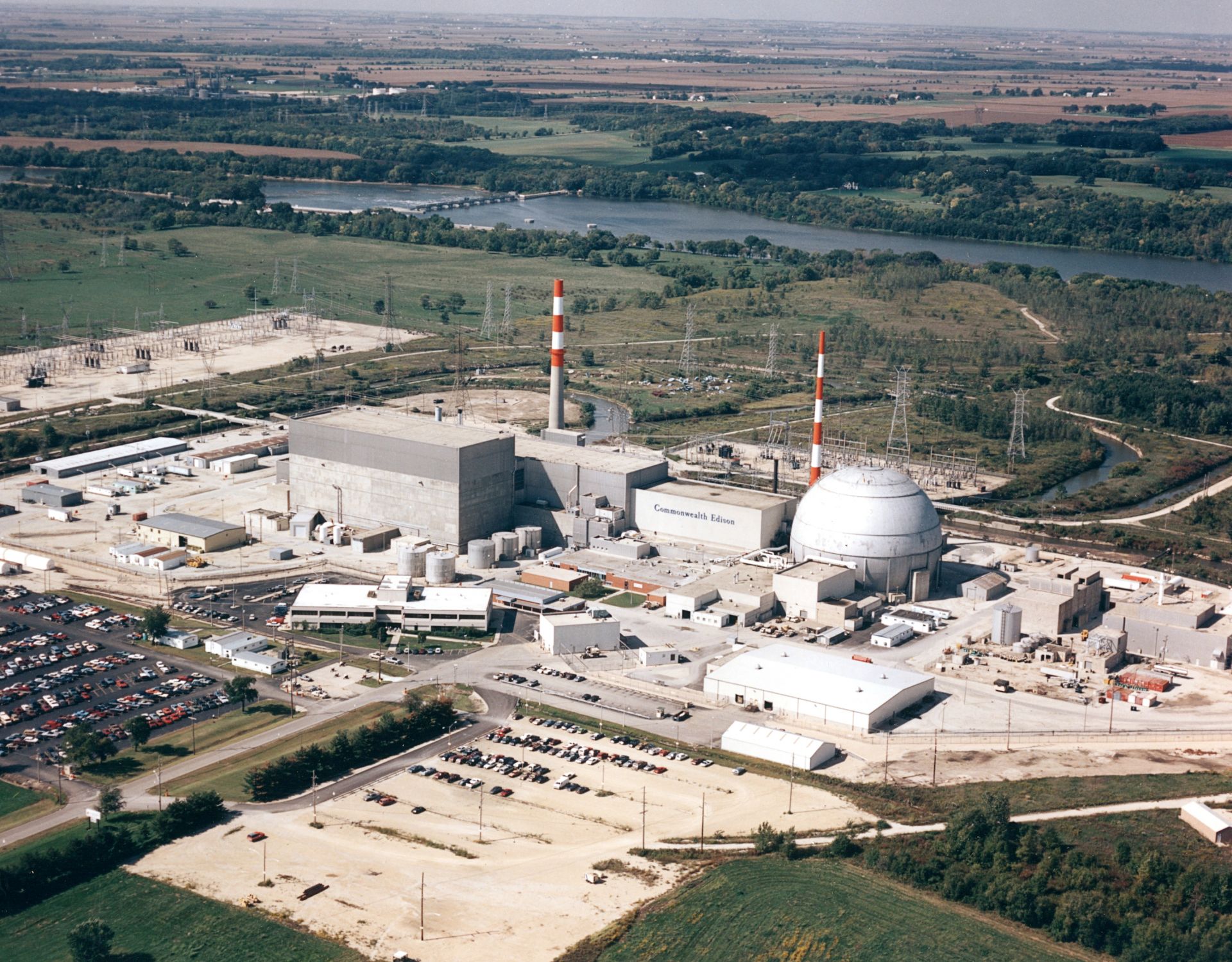
The Dresden nuclear power plant. (Photo: Constellation Energy)
The Nuclear Regulatory Commission has found that the environmental impacts of renewing the operating license of the Dresden nuclear power plant outside Chicago, Ill., for an additional 20 years are not great enough to prohibit doing so.
Browns Ferry nuclear power plant. (Photo: NRC)
The Nuclear Regulatory Commission has found that the environmental impacts of renewing the operating licenses of the Peach Bottom and Browns Ferry nuclear power plants for an additional 20 years are not great enough to prohibit doing so. If renewed, the licenses will allow the plants to operate for up to 80 years.
Calvert Cliffs nuclear power plant. (Photo: Constellation)
Nuclear powerhouse Constellation Energy announced Tuesday it will spend roughly $100 million to upgrade critical electrical systems and plant equipment at its Calvert Cliffs nuclear power plant, where the company may pursue license renewals.
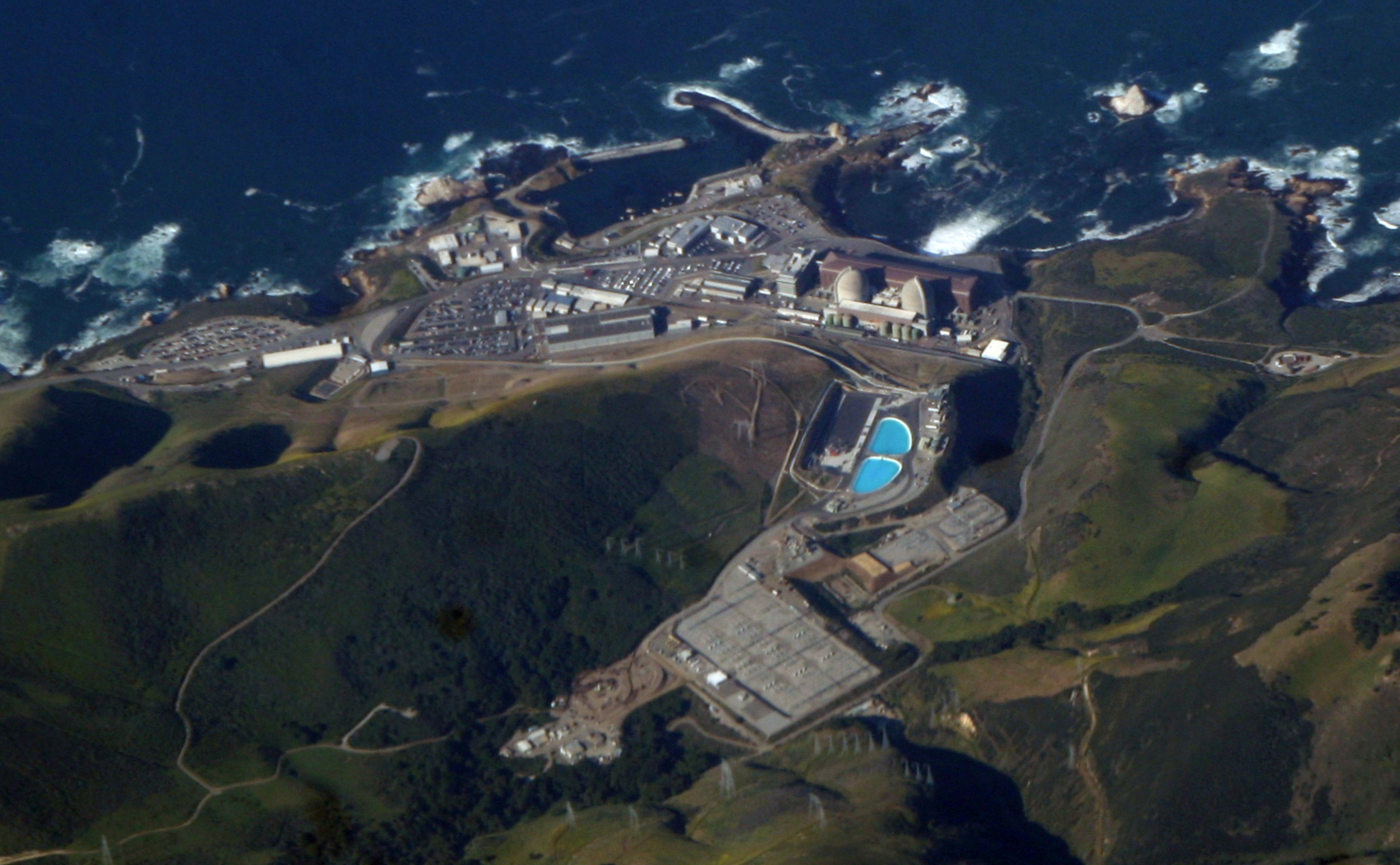
The Diablo Canyon plant. (Photo: Doc Searles)
The Nuclear Regulatory Commission is asking for public comment on its draft supplemental environmental impact statement for Diablo Canyon’s license renewal request.
Comanche Peak nuclear power plant. (Photo: Meranda Cohn/Vistra)
The Nuclear Regulatory Commission has renewed the operating licenses of Comanche Peak Units 1 and 2 for an additional 20 years.
Unit 1’s operating license now expires on February 8, 2050, and Unit 2’s on February 2, 2053.
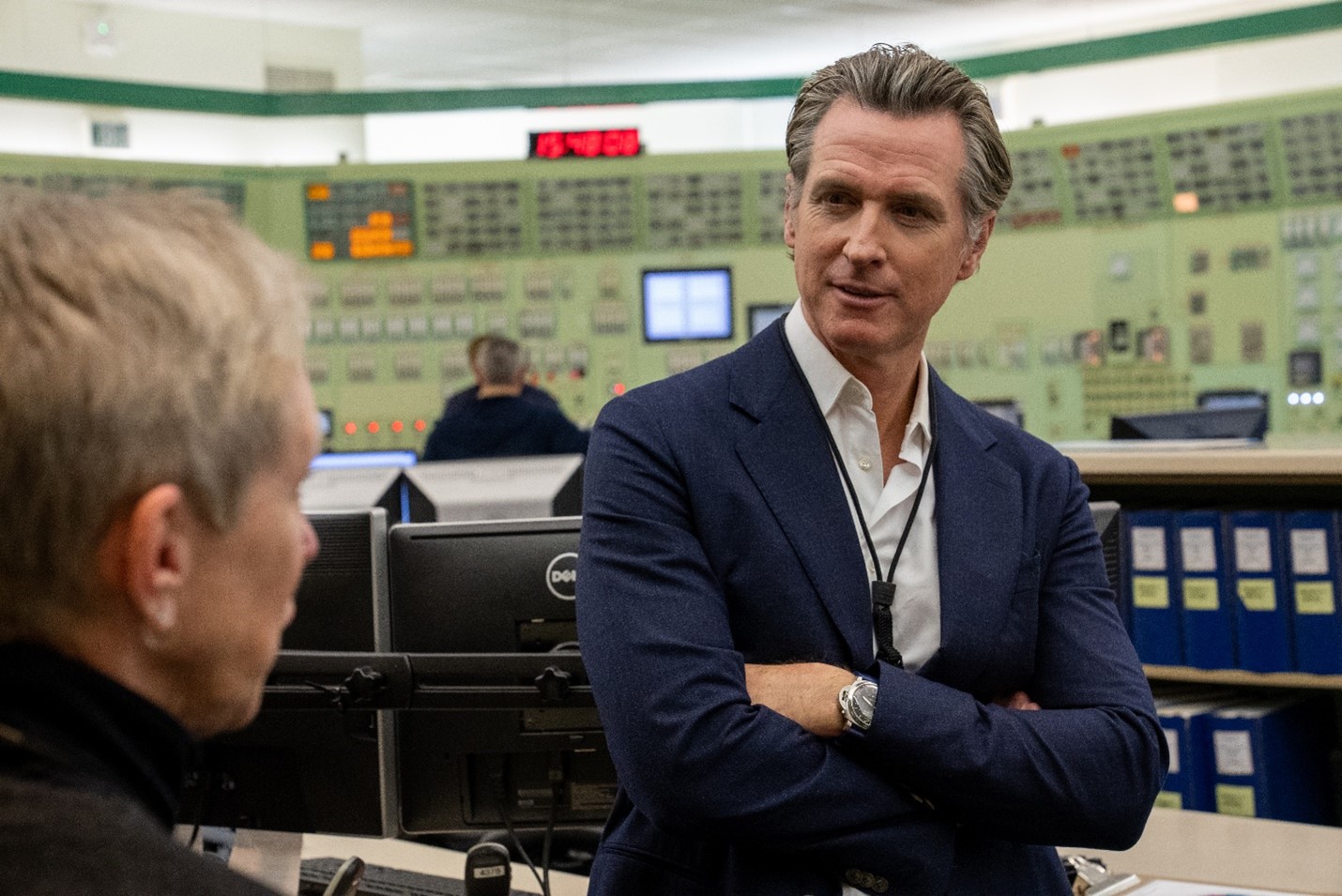
Gov. Gavin Newsom visits Diablo Canyon in this 2023 photo (Source: Governor’s office)
In budget discussions conducted last week, the California legislature rejected a $400 million budget item to help keep the state’s sole remaining nuclear plant operational.
Diablo Canyon—owned by Pacific Gas & Electric—has been the subject of much debate in California. To meet grid demands during a record hot summer in 2022, Gov. Gavin Newsom had cut a deal to give $1.4 billion to support continued operations at the 2,200-MWe nuclear facility.
Dresden nuclear power plant. (Photo: Constellation Energy)
Constellation Energy has filed with the Nuclear Regulatory Commission for a subsequent license renewal for its Dresden nuclear power plant in Illinois. The extension would allow Dresden to run through 2051.
The filing begins a comprehensive, multiyear review by the NRC. Unit 2 is currently licensed to operate through 2029 and Unit 3 through 2031. The facility’s license was first renewed by the NRC in 2004.
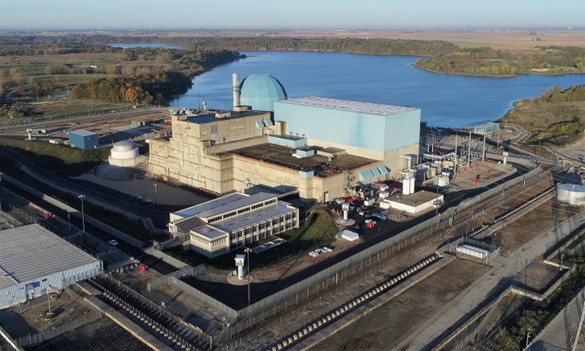
Clinton nuclear power plant, located near Clinton, Ill. (Photo: Constellation)
Constellation Energy is asking the Nuclear Regulatory Commission for an initial license renewal for its Clinton nuclear plant in Illinois, which would allow the facility to operate through 2047.
This move is not unexpected from Constellation, the largest producer of nuclear power in the United States. The vast majority of nuclear plants in the United States have already been approved for their first 20-year renewal term. Clinton, which came on line in 1987, is one of the nation’s “newer” plants.
Diablo Canyon nuclear power plant. (Photo: Doc Searls)
The Nuclear Regulatory Commission has scheduled two meetings in February to discuss the environmental evaluation and review process for the license renewal application of the two-unit Diablo Canyon nuclear power plant in Avila Beach, Calif.
Diablo Canyon nuclear power plant. (Photo: PG&E)
A California court has dismissed a lawsuit brought in April by Friends of the Earth (FOE), an inveterate enemy of nuclear power, to derail last year’s state-supported plan to keep the two-unit Diablo Canyon plant running past 2025.
The Perry nuclear power plant. (Photo: ANS)
Energy Harbor has filed its initial license renewal application for the Perry nuclear power plant, requesting an additional 20 years of operation for the facility, the Nuclear Regulatory Commission announced yesterday. Dated July 3, the 2,427-page application is now available on the agency’s website.